
Recent escalations in Aegean disputes have shaped trader views on Greece-Turkey military engagement risks. Turkey’s August 2026 declarations of national marine parks overlapping contested waters, combined with revived “gray zones” claims and a spike in armed F-16 and drone airspace violations—including a simulated dogfight on August 18—prompted Greek diplomatic briefings to the EU and preparations for responses, including potential frigate or fighter deployments to protect seabed surveys for the Greece-Cyprus electricity link. Turkish defense documents highlight monitoring of Greece-Israel military ties amid broader regional concerns. Greek officials describe the situation as one requiring vigilance while maintaining open channels and rejecting escalation, noting reduced violations relative to prior periods. NATO membership, historical patterns of contained incidents, and scheduled energy project timelines remain key variables that could influence near-term probabilities.
Experimental AI-generated summary referencing Polymarket data. This is not trading advice and plays no role in how this market resolves. · Updated$1,266,966 Vol.
December 31
5%
$1,266,966 Vol.
December 31
5%
A "military engagement" is defined as any incident involving the use of force such as missile strikes, artillery fire, exchange of gunfire, or other forms of direct military engagement between Greek and Turkish military forces. Non-violent actions, such as warning shots or missile launches that land in territorial waters or pass through airspace, will not qualify for a "Yes" resolution. Intentional ship ramming that results in significant damage to (e.g., a hole in the hull) or the sinking of a military ship by another will count toward a "Yes" resolution; however, minor damage (scrapes, dents) will not.
Missiles or drone strikes that are intercepted will not qualify, regardless of whether they land on adversarial territory or cause damage. Similarly, surface-to-air missile strikes impacting adversarial territory will not qualify for a "Yes" resolution (although surface-to-air missiles fired at an adversarial military aircraft would qualify).
The resolution source for this market will be a consensus of credible reporting.
Market Opened: Jun 30, 2026, 8:02 PM ET
Resolver
0x65070BE91...A "military engagement" is defined as any incident involving the use of force such as missile strikes, artillery fire, exchange of gunfire, or other forms of direct military engagement between Greek and Turkish military forces. Non-violent actions, such as warning shots or missile launches that land in territorial waters or pass through airspace, will not qualify for a "Yes" resolution. Intentional ship ramming that results in significant damage to (e.g., a hole in the hull) or the sinking of a military ship by another will count toward a "Yes" resolution; however, minor damage (scrapes, dents) will not.
Missiles or drone strikes that are intercepted will not qualify, regardless of whether they land on adversarial territory or cause damage. Similarly, surface-to-air missile strikes impacting adversarial territory will not qualify for a "Yes" resolution (although surface-to-air missiles fired at an adversarial military aircraft would qualify).
The resolution source for this market will be a consensus of credible reporting.
Resolver
0x65070BE91...Recent escalations in Aegean disputes have shaped trader views on Greece-Turkey military engagement risks. Turkey’s August 2026 declarations of national marine parks overlapping contested waters, combined with revived “gray zones” claims and a spike in armed F-16 and drone airspace violations—including a simulated dogfight on August 18—prompted Greek diplomatic briefings to the EU and preparations for responses, including potential frigate or fighter deployments to protect seabed surveys for the Greece-Cyprus electricity link. Turkish defense documents highlight monitoring of Greece-Israel military ties amid broader regional concerns. Greek officials describe the situation as one requiring vigilance while maintaining open channels and rejecting escalation, noting reduced violations relative to prior periods. NATO membership, historical patterns of contained incidents, and scheduled energy project timelines remain key variables that could influence near-term probabilities.
Experimental AI-generated summary referencing Polymarket data. This is not trading advice and plays no role in how this market resolves. · Updated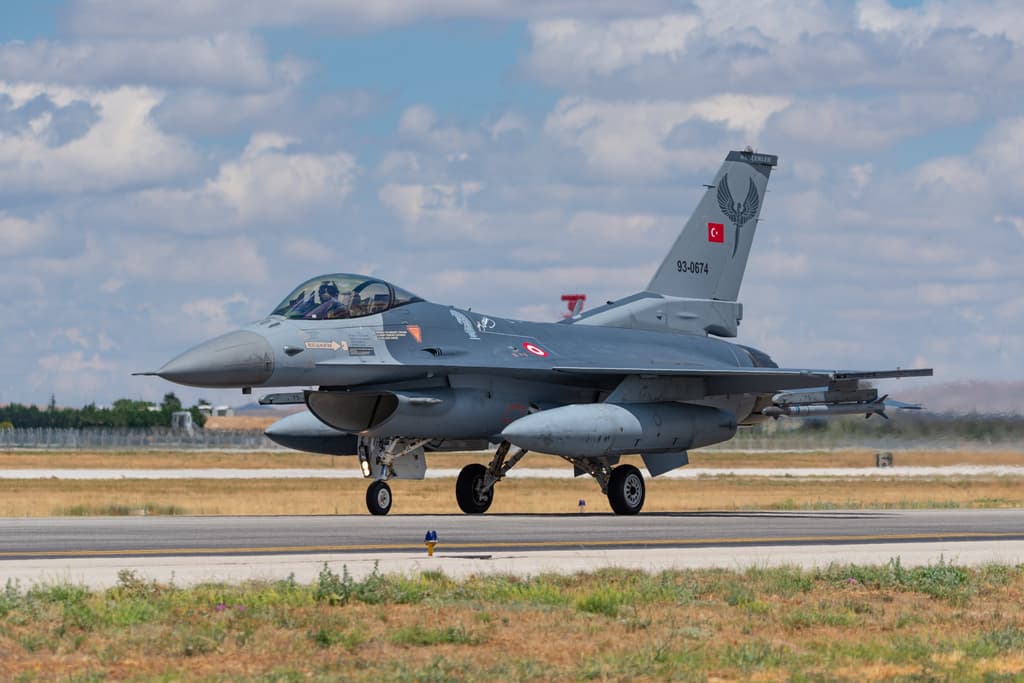


Beware of external links.
Beware of external links.
Frequently Asked Questions