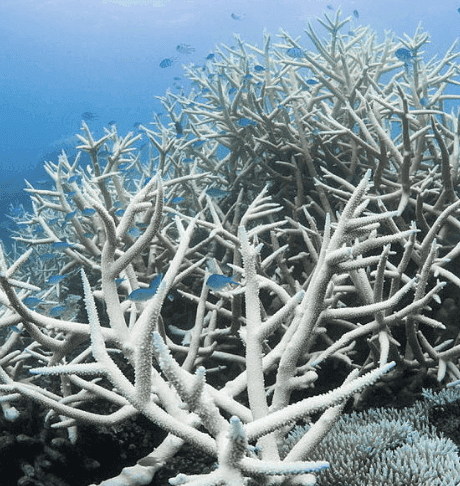
Strengthening El Niño conditions, with a high probability of a very strong event peaking through early 2027, represent the main driver elevating sea surface temperatures across the Hawaiian Islands and pushing coral bleaching risk higher. NOAA Coral Reef Watch data show persistently above-average SSTs and accumulating Degree Heating Weeks, with outlooks indicating roughly 60% probability of Alert Level 1 thermal stress (DHW reaching 4°C-weeks) over much of Hawaii’s coastal waters from August through November 2026. Global ocean temperatures recently hit record highs, amplifying baseline heat stress, while model ensembles highlight steering patterns and intensification potential that could extend impacts into year-end. Traders weigh these verified satellite observations and forecast consensus against inherent uncertainties in El Niño evolution and localized cooling events when pricing the 67.5% market-implied probability for reaching Alert Level 1 by December 31.
Experimental AI-generated summary referencing Polymarket data. This is not trading advice and plays no role in how this market resolves. · UpdatedWill Hawaii reach Coral Bleaching Alert Level 1 by December 31, 2026?
Will Hawaii reach Coral Bleaching Alert Level 1 by December 31, 2026?
The Bleaching Alert Area for the Main Hawaiian Islands virtual station reaching Bleaching Alert Level 1 (or a higher alert level) on any single day within this timeframe is sufficient for a "Yes" resolution. For the purposes of this market, Bleaching Alert Level 1 corresponds to a Degree Heating Week (DHW) value of 4 or greater °C-weeks at the Main Hawaiian Islands virtual station, as calculated by NOAA Coral Reef Watch from the 90th-percentile daily HotSpot values within that station's boundary.
The primary resolution source for this market will be the "Bleaching Alert Area" reading on NOAA Coral Reef Watch's Main Hawaiian Islands virtual station gauge page (https://coralreefwatch.noaa.gov/product/vs/gauges/hawaii.php). If that page is unavailable or has not been updated, resolution will use NOAA Coral Reef Watch's own data for the Main Hawaiian Islands virtual station in any other format it publishes (for example, its regional virtual station time-series data files, available at https://coralreefwatch.noaa.gov/product/vs/data.php), which apply the same station-level methodology. Readings for individual 5km satellite pixels that are not aggregated to the Main Hawaiian Islands virtual station will not be used.
Only NOAA Coral Reef Watch readings dated within this market's timeframe (from market creation through December 31, 2026) can trigger a "Yes" resolution. If NOAA Coral Reef Watch data covering this timeframe has not been published by January 4, 2027, this market will remain open until January 11, 2027, or until such data is published, whichever comes first. If no NOAA Coral Reef Watch data covering any day within this market's timeframe is ever published, this market will resolve to "No".
Market Opened: Aug 7, 2026, 2:28 PM ET
Resolution Source
https://coralreefwatch.noaa.gov/product/vs/gauges/hawaii.phpResolver
0x65070BE91...The Bleaching Alert Area for the Main Hawaiian Islands virtual station reaching Bleaching Alert Level 1 (or a higher alert level) on any single day within this timeframe is sufficient for a "Yes" resolution. For the purposes of this market, Bleaching Alert Level 1 corresponds to a Degree Heating Week (DHW) value of 4 or greater °C-weeks at the Main Hawaiian Islands virtual station, as calculated by NOAA Coral Reef Watch from the 90th-percentile daily HotSpot values within that station's boundary.
The primary resolution source for this market will be the "Bleaching Alert Area" reading on NOAA Coral Reef Watch's Main Hawaiian Islands virtual station gauge page (https://coralreefwatch.noaa.gov/product/vs/gauges/hawaii.php). If that page is unavailable or has not been updated, resolution will use NOAA Coral Reef Watch's own data for the Main Hawaiian Islands virtual station in any other format it publishes (for example, its regional virtual station time-series data files, available at https://coralreefwatch.noaa.gov/product/vs/data.php), which apply the same station-level methodology. Readings for individual 5km satellite pixels that are not aggregated to the Main Hawaiian Islands virtual station will not be used.
Only NOAA Coral Reef Watch readings dated within this market's timeframe (from market creation through December 31, 2026) can trigger a "Yes" resolution. If NOAA Coral Reef Watch data covering this timeframe has not been published by January 4, 2027, this market will remain open until January 11, 2027, or until such data is published, whichever comes first. If no NOAA Coral Reef Watch data covering any day within this market's timeframe is ever published, this market will resolve to "No".
Resolution Source
https://coralreefwatch.noaa.gov/product/vs/gauges/hawaii.phpResolver
0x65070BE91...Strengthening El Niño conditions, with a high probability of a very strong event peaking through early 2027, represent the main driver elevating sea surface temperatures across the Hawaiian Islands and pushing coral bleaching risk higher. NOAA Coral Reef Watch data show persistently above-average SSTs and accumulating Degree Heating Weeks, with outlooks indicating roughly 60% probability of Alert Level 1 thermal stress (DHW reaching 4°C-weeks) over much of Hawaii’s coastal waters from August through November 2026. Global ocean temperatures recently hit record highs, amplifying baseline heat stress, while model ensembles highlight steering patterns and intensification potential that could extend impacts into year-end. Traders weigh these verified satellite observations and forecast consensus against inherent uncertainties in El Niño evolution and localized cooling events when pricing the 67.5% market-implied probability for reaching Alert Level 1 by December 31.
Experimental AI-generated summary referencing Polymarket data. This is not trading advice and plays no role in how this market resolves. · Updated
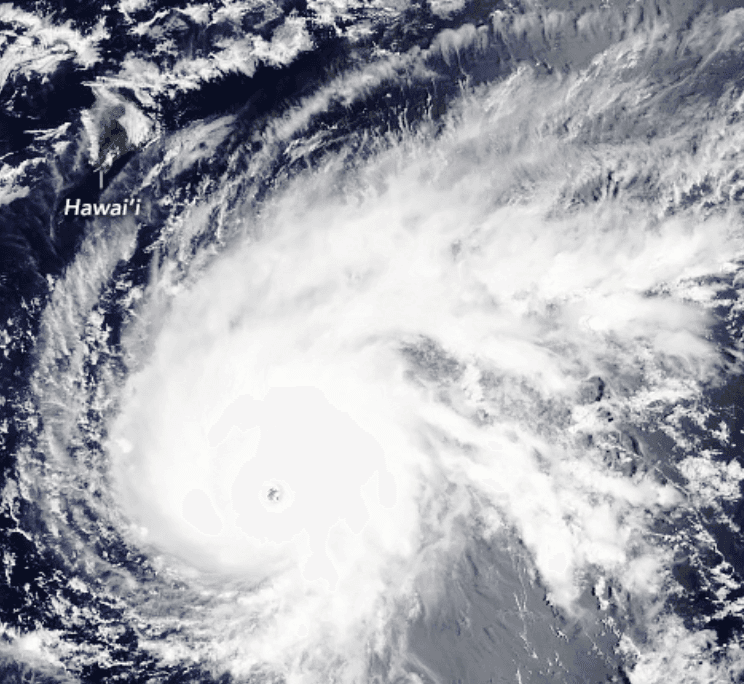

Beware of external links.
Beware of external links.
Frequently Asked Questions