
Ongoing Iran-US conflict and enforcement actions by Iran's Islamic Revolutionary Guard Corps have kept Strait of Hormuz commercial transits severely restricted at roughly 5-15% of pre-crisis levels since early March 2026, with daily movements averaging under 15 vessels amid dark transits, mine risks, and war-risk insurance premiums around 40 times normal. Recent Iran-Oman talks on a temporary joint corridor and mine-clearing have not altered the outlook, as Tehran conditions any normalization on an end to US sanctions and hostilities. These dynamics underpin the market's 66.5% implied probability on no return to normal traffic in 2026, while modest odds on late-year months reflect limited expectations for near-term diplomatic breakthroughs amid persistent naval blockades and elevated maritime threats.
Experimental AI-generated summary referencing Polymarket data. This is not trading advice and plays no role in how this market resolves. · UpdatedNo Return to Normal Traffic in 2026 67%
December 11%
September 9%
November 8%
$373,756 Vol.
$373,756 Vol.
August
<1%
September
9%
October
7%
November
8%
December
11%
No Return to Normal Traffic in 2026
67%
No Return to Normal Traffic in 2026 67%
December 11%
September 9%
November 8%
$373,756 Vol.
$373,756 Vol.
August
<1%
September
9%
October
7%
November
8%
December
11%
No Return to Normal Traffic in 2026
67%
Daily transit calls include container, dry bulk, roll-on/roll-off, general cargo, and tanker ships. Ships not reported by IMF Portwatch will not be considered.
The qualifying month will be the calendar month containing the date associated with the first qualifying data point published by IMF PortWatch.
This market will resolve as soon as IMF Portwatch publishes a 7-day moving average of transit calls equal to or above the specified level, or once data has been published for the final date of the specified month, and no such value has been published.
If data is published for December 31, 2026 and a qualifying data point has not been published for any month, this market will resolve to “No Return to Normal Traffic in 2026.” If no data has been published for December 31, 2026 by January 31, 2027, 11:59 PM ET, this market will resolve based on data published up to that point.
Revisions to previously published data points made within this market’s timeframe will be considered. However, they will not disqualify a previously published data point from qualifying. Revisions to previously published data points after data is published for the final date in the specified month, however, will not be considered.
In case of obvious data integrity issues (i.e., erroneous data), the market may remain open until the end of the third calendar day (ET) after the date on which such data is first released to allow for corrections. Data integrity issues refer only to clerical or other similar errors in the underlying data, and do not include cases where IMF Portwatch differs from alternative sources.
The resolution source for this market will be IMF Portwatch, specifically the transit calls data published for the Strait of Hormuz at https://portwatch.imf.org/pages/cb5856222a5b4105adc6ee7e880a1730, both in the chart and through downloadable files.
Market Opened: Jul 8, 2026, 2:43 PM ET
Resolver
0x69c47De9D...Daily transit calls include container, dry bulk, roll-on/roll-off, general cargo, and tanker ships. Ships not reported by IMF Portwatch will not be considered.
The qualifying month will be the calendar month containing the date associated with the first qualifying data point published by IMF PortWatch.
This market will resolve as soon as IMF Portwatch publishes a 7-day moving average of transit calls equal to or above the specified level, or once data has been published for the final date of the specified month, and no such value has been published.
If data is published for December 31, 2026 and a qualifying data point has not been published for any month, this market will resolve to “No Return to Normal Traffic in 2026.” If no data has been published for December 31, 2026 by January 31, 2027, 11:59 PM ET, this market will resolve based on data published up to that point.
Revisions to previously published data points made within this market’s timeframe will be considered. However, they will not disqualify a previously published data point from qualifying. Revisions to previously published data points after data is published for the final date in the specified month, however, will not be considered.
In case of obvious data integrity issues (i.e., erroneous data), the market may remain open until the end of the third calendar day (ET) after the date on which such data is first released to allow for corrections. Data integrity issues refer only to clerical or other similar errors in the underlying data, and do not include cases where IMF Portwatch differs from alternative sources.
The resolution source for this market will be IMF Portwatch, specifically the transit calls data published for the Strait of Hormuz at https://portwatch.imf.org/pages/cb5856222a5b4105adc6ee7e880a1730, both in the chart and through downloadable files.
Resolver
0x69c47De9D...Ongoing Iran-US conflict and enforcement actions by Iran's Islamic Revolutionary Guard Corps have kept Strait of Hormuz commercial transits severely restricted at roughly 5-15% of pre-crisis levels since early March 2026, with daily movements averaging under 15 vessels amid dark transits, mine risks, and war-risk insurance premiums around 40 times normal. Recent Iran-Oman talks on a temporary joint corridor and mine-clearing have not altered the outlook, as Tehran conditions any normalization on an end to US sanctions and hostilities. These dynamics underpin the market's 66.5% implied probability on no return to normal traffic in 2026, while modest odds on late-year months reflect limited expectations for near-term diplomatic breakthroughs amid persistent naval blockades and elevated maritime threats.
Experimental AI-generated summary referencing Polymarket data. This is not trading advice and plays no role in how this market resolves. · Updated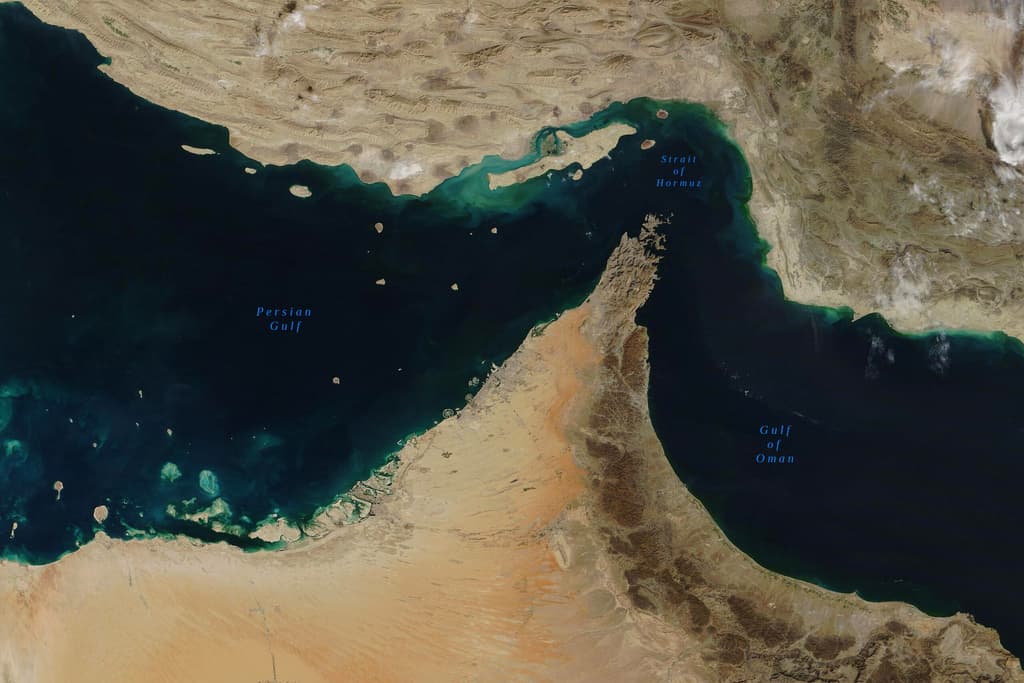
Beware of external links.
Beware of external links.
Frequently Asked Questions