
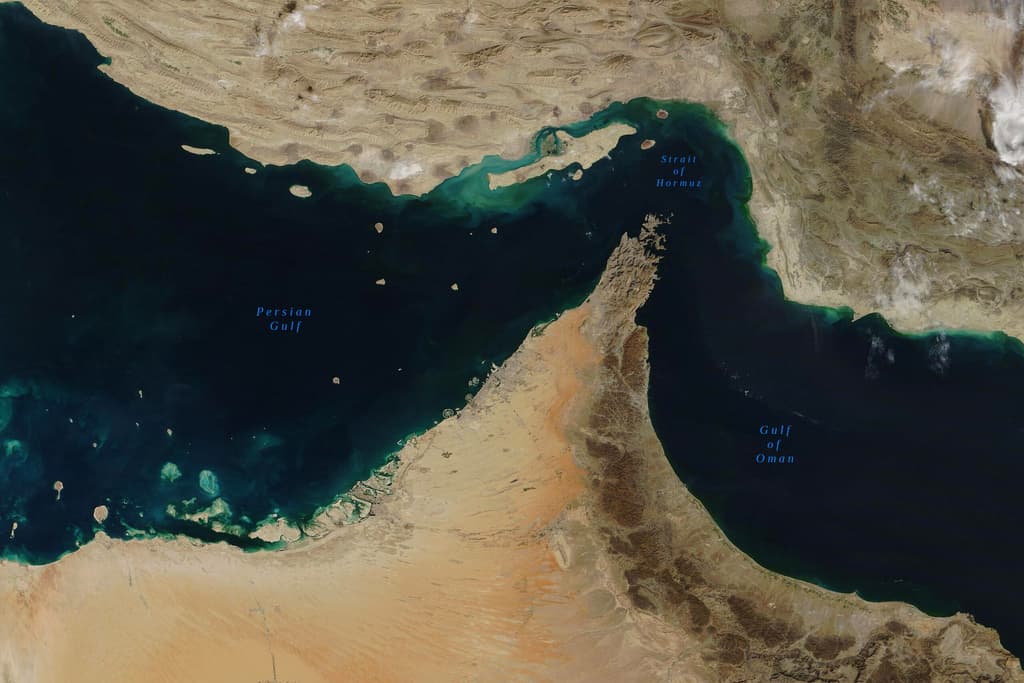
Ongoing U.S.-Iran hostilities, including renewed strikes and a naval blockade reimposed in mid-July, continue to suppress commercial traffic through the Strait of Hormuz, with observed transits averaging around 13-15 vessels daily in early September—well below the pre-conflict baseline of 120-140. Recent Kpler data showed just four commodity vessels crossing on September 3 amid heightened risks, attacks on tankers, and widespread AIS deactivation, while Iranian crude exports remain halted. These dynamics, compounded by elevated war-risk insurance premiums and route uncertainty, underpin trader consensus around subdued weekly volumes near 20-30 transits. Key swing factors include any de-escalation signals ahead of the September 7-13 window or further IRGC enforcement actions that could widen the gap between the closely matched leading outcomes.
Experimental AI-generated summary referencing Polymarket data. This is not trading advice and plays no role in how this market resolves. · UpdatedHow many ships transit the Strait of Hormuz week of September 7?
How many ships transit the Strait of Hormuz week of September 7?
<20 23%
25-29 20%
35-39 19%
20-24 18%
<20
23%
20-24
18%
25-29
20%
30-34
13%
35-39
19%
40+
10%
<20 23%
25-29 20%
35-39 19%
20-24 18%
<20
23%
20-24
18%
25-29
20%
30-34
13%
35-39
19%
40+
10%
Transit calls include container, dry bulk, roll-on/roll-off, general cargo, and tanker ships. Ships not reported by IMF Portwatch will not be considered.
This market will resolve as soon as all relevant data has been published. If the relevant data is not published within 14 calendar days of the specified date, this market will resolve based on the most recent data published up to that point.
In case of obvious data integrity issues (i.e., erroneous data), the market may remain open until the end of the third calendar day (ET) after the date on which such data is first released to allow for corrections. Data integrity issues refer only to clerical or other similar errors in the underlying data, and do not include cases where IMF Portwatch differs from alternative sources.
Only revisions to previously published data points made before all relevant data has been published will be considered.
The resolution source for this market will be IMF Portwatch, specifically the transit calls data published for the Strait of Hormuz at https://portwatch.imf.org/pages/cb5856222a5b4105adc6ee7e880a1730, both in the chart and through downloadable files.
Market Opened: Sep 3, 2026, 10:25 AM ET
Resolver
0x69c47De9D...Transit calls include container, dry bulk, roll-on/roll-off, general cargo, and tanker ships. Ships not reported by IMF Portwatch will not be considered.
This market will resolve as soon as all relevant data has been published. If the relevant data is not published within 14 calendar days of the specified date, this market will resolve based on the most recent data published up to that point.
In case of obvious data integrity issues (i.e., erroneous data), the market may remain open until the end of the third calendar day (ET) after the date on which such data is first released to allow for corrections. Data integrity issues refer only to clerical or other similar errors in the underlying data, and do not include cases where IMF Portwatch differs from alternative sources.
Only revisions to previously published data points made before all relevant data has been published will be considered.
The resolution source for this market will be IMF Portwatch, specifically the transit calls data published for the Strait of Hormuz at https://portwatch.imf.org/pages/cb5856222a5b4105adc6ee7e880a1730, both in the chart and through downloadable files.
Resolver
0x69c47De9D...Ongoing U.S.-Iran hostilities, including renewed strikes and a naval blockade reimposed in mid-July, continue to suppress commercial traffic through the Strait of Hormuz, with observed transits averaging around 13-15 vessels daily in early September—well below the pre-conflict baseline of 120-140. Recent Kpler data showed just four commodity vessels crossing on September 3 amid heightened risks, attacks on tankers, and widespread AIS deactivation, while Iranian crude exports remain halted. These dynamics, compounded by elevated war-risk insurance premiums and route uncertainty, underpin trader consensus around subdued weekly volumes near 20-30 transits. Key swing factors include any de-escalation signals ahead of the September 7-13 window or further IRGC enforcement actions that could widen the gap between the closely matched leading outcomes.
Experimental AI-generated summary referencing Polymarket data. This is not trading advice and plays no role in how this market resolves. · Updated
Beware of external links.
Beware of external links.
Frequently Asked Questions