
Current Lake Powell elevation stands near 3,518.6 feet amid record-low storage at roughly 22% capacity, driven by water year 2026 unregulated inflows forecast at just 37% of average following an April–July period at 18% of normal. Persistent basin-wide drought, reduced snowpack, and high evaporation have prompted U.S. Bureau of Reclamation adjustments, including a cut in Glen Canyon Dam releases to 6.0 million acre-feet and supplemental Drought Response Operations Agreement transfers from Flaming Gorge. USBR 24-month projections place the most probable December 2026 level near 3,507–3,515 feet, keeping the reservoir above the 3,490-foot minimum power pool under base scenarios but highlighting downside risks if inflows remain suppressed. Trader consensus reflects these hydrological constraints tempered by operational buffers and seasonal runoff uncertainty.
Experimental AI-generated summary referencing Polymarket data. This is not trading advice and plays no role in how this market resolves. · UpdatedHow low will Lake Powell drop?
How low will Lake Powell drop?
Above 3,510 ft 44%
3,500–3,510 ft 25%
3,490–3,500 ft 21%
Below 3,490 ft 13%
Above 3,510 ft
44%
3,500–3,510 ft
25%
3,490–3,500 ft
21%
Below 3,490 ft
13%
Above 3,510 ft 44%
3,500–3,510 ft 25%
3,490–3,500 ft 21%
Below 3,490 ft 13%
Above 3,510 ft
44%
3,500–3,510 ft
25%
3,490–3,500 ft
21%
Below 3,490 ft
13%
Resolution is determined by the lowest daily elevation recorded at Lake Powell (Glen Canyon Dam, USBR site) between market creation and March 31, 2027. Because a lower reading can occur at any point up to March 31, 2027, all outcomes are settled after the window closes, based on the lowest daily elevation recorded during the window.
The resolution source is the minimum daily lake elevation published by the U.S. Bureau of Reclamation for Lake Powell at Glen Canyon Dam, available at https://data.usbr.gov/catalog/2362/item/508. USBR data is provisional and subject to revision; the lowest daily elevation reflected in USBR data as of April 15, 2027 governs, and revisions published after April 15, 2027 will not change the outcome. Daily elevation data published at https://lakepowell.water-data.com/ may also be referenced, but if it disagrees with USBR, the USBR value governs.
Market Opened: Aug 17, 2026, 5:49 PM ET
Resolution Source
https://data.usbr.gov/catalog/2362/item/508Resolver
0x69c47De9D...Resolution is determined by the lowest daily elevation recorded at Lake Powell (Glen Canyon Dam, USBR site) between market creation and March 31, 2027. Because a lower reading can occur at any point up to March 31, 2027, all outcomes are settled after the window closes, based on the lowest daily elevation recorded during the window.
The resolution source is the minimum daily lake elevation published by the U.S. Bureau of Reclamation for Lake Powell at Glen Canyon Dam, available at https://data.usbr.gov/catalog/2362/item/508. USBR data is provisional and subject to revision; the lowest daily elevation reflected in USBR data as of April 15, 2027 governs, and revisions published after April 15, 2027 will not change the outcome. Daily elevation data published at https://lakepowell.water-data.com/ may also be referenced, but if it disagrees with USBR, the USBR value governs.
Resolution Source
https://data.usbr.gov/catalog/2362/item/508Resolver
0x69c47De9D...Current Lake Powell elevation stands near 3,518.6 feet amid record-low storage at roughly 22% capacity, driven by water year 2026 unregulated inflows forecast at just 37% of average following an April–July period at 18% of normal. Persistent basin-wide drought, reduced snowpack, and high evaporation have prompted U.S. Bureau of Reclamation adjustments, including a cut in Glen Canyon Dam releases to 6.0 million acre-feet and supplemental Drought Response Operations Agreement transfers from Flaming Gorge. USBR 24-month projections place the most probable December 2026 level near 3,507–3,515 feet, keeping the reservoir above the 3,490-foot minimum power pool under base scenarios but highlighting downside risks if inflows remain suppressed. Trader consensus reflects these hydrological constraints tempered by operational buffers and seasonal runoff uncertainty.
Experimental AI-generated summary referencing Polymarket data. This is not trading advice and plays no role in how this market resolves. · Updated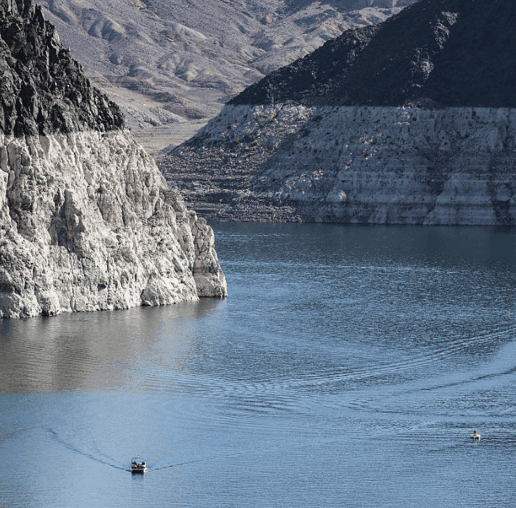


Beware of external links.
Beware of external links.
Frequently Asked Questions